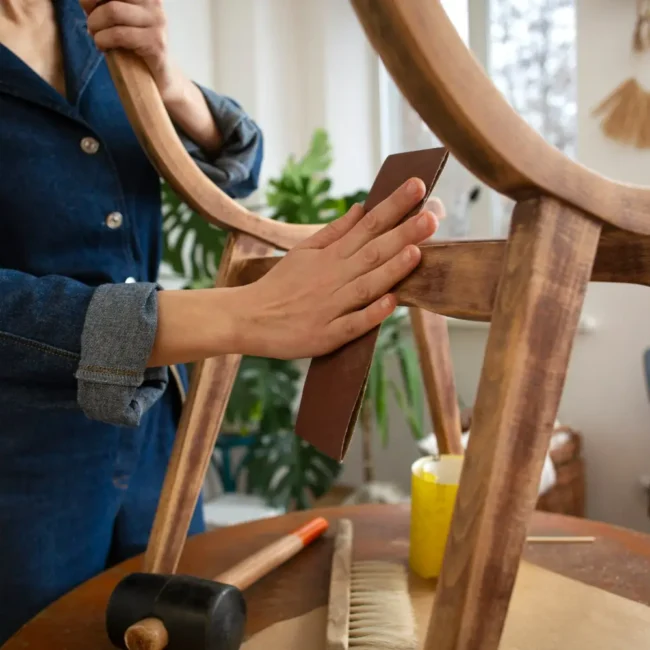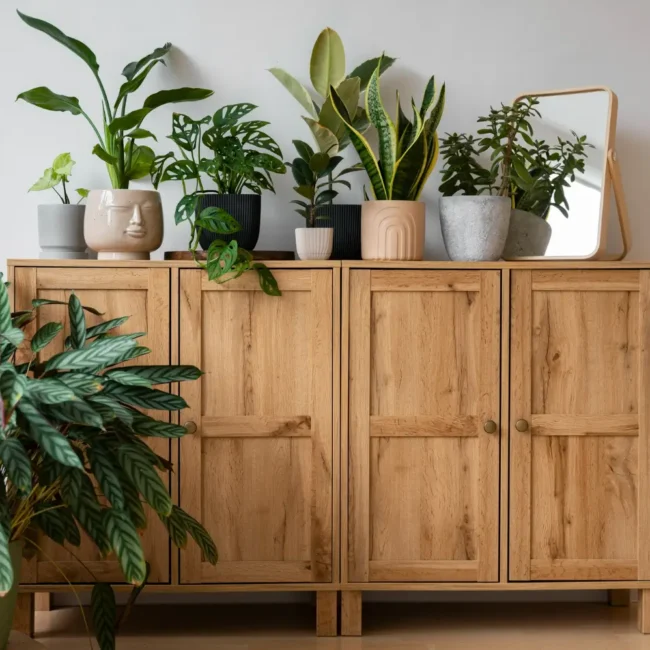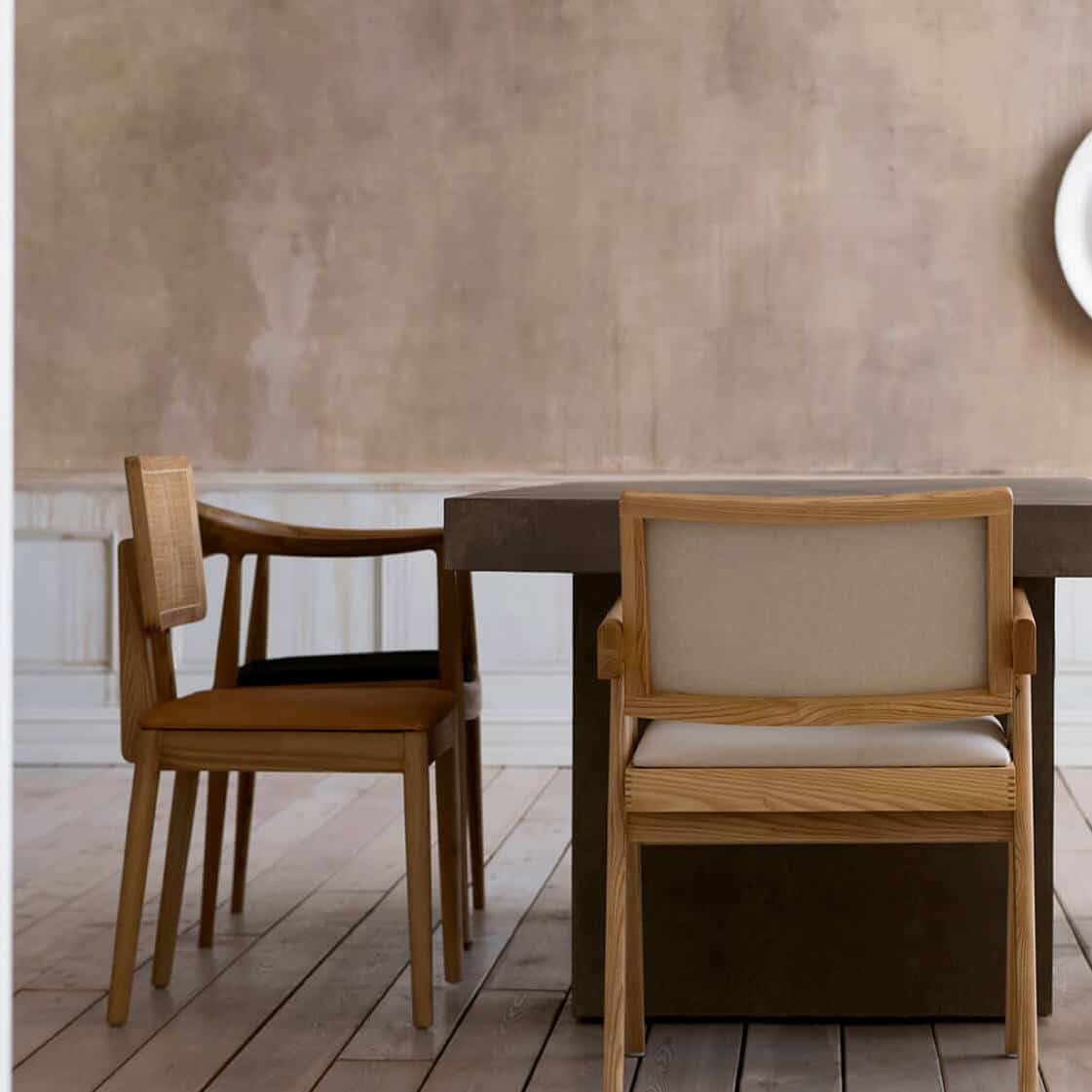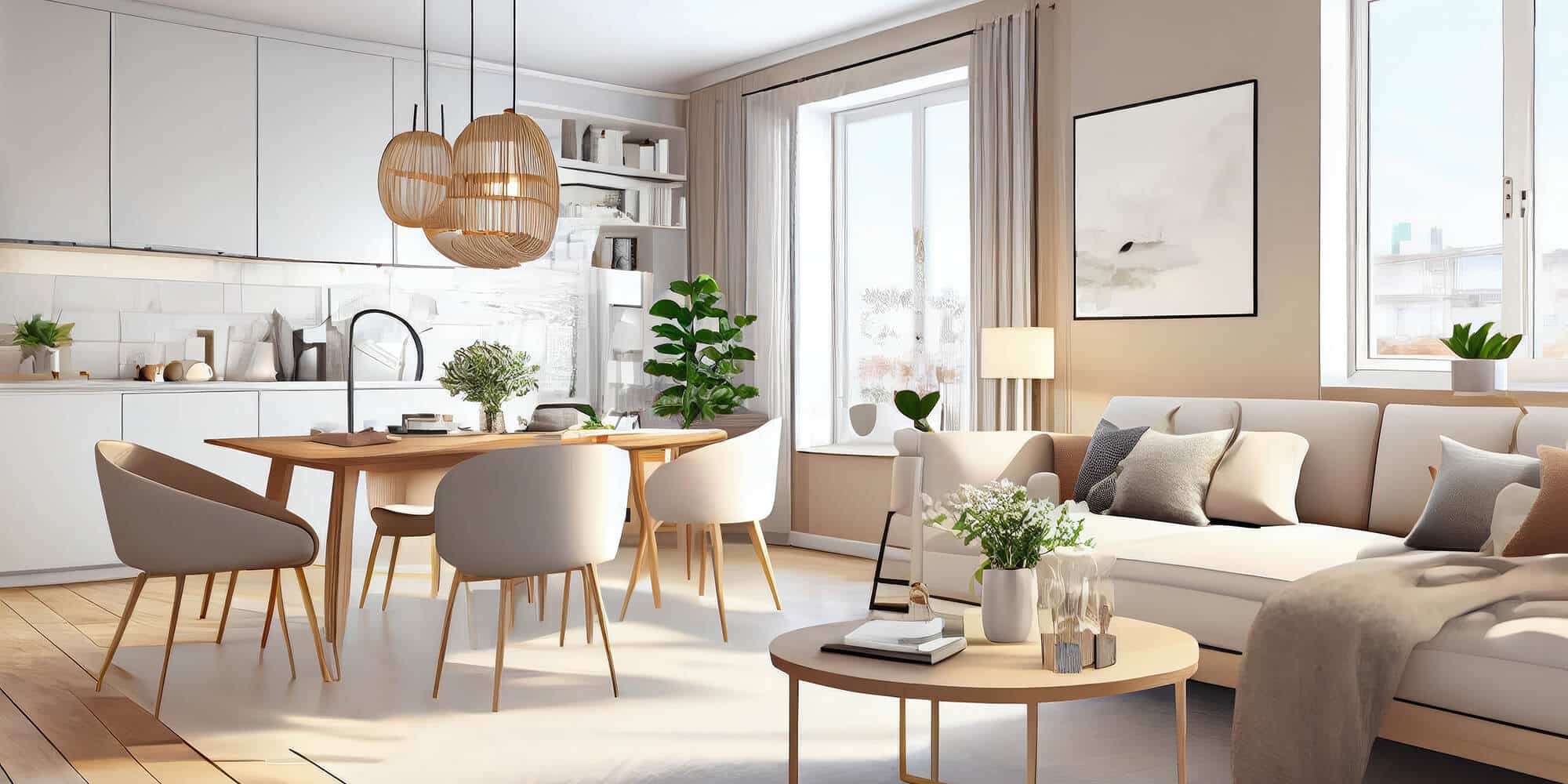
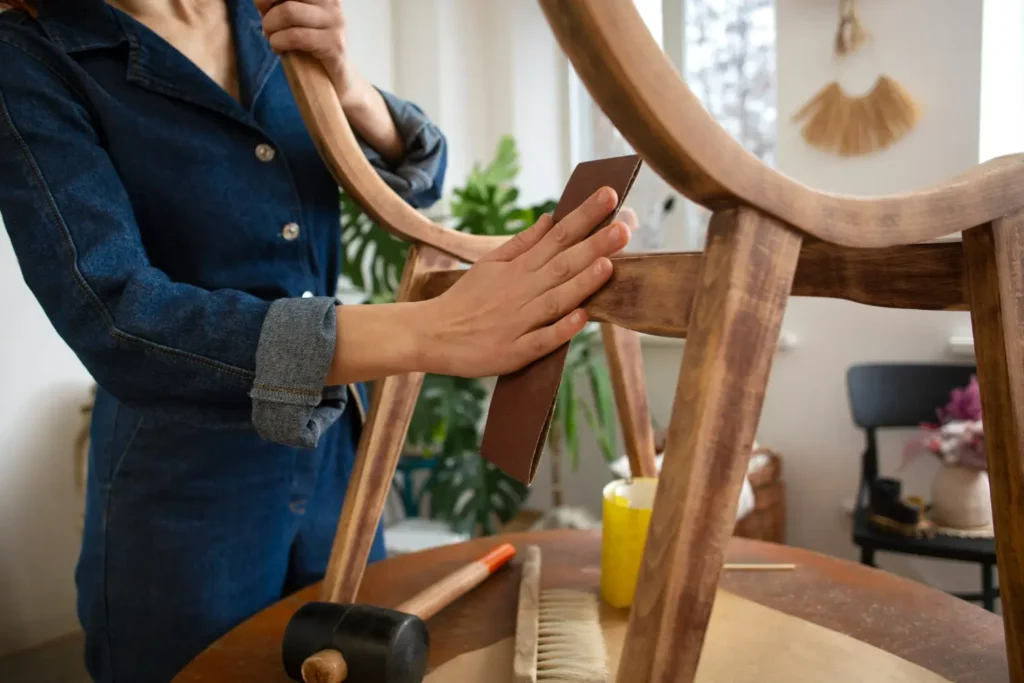
In the competitive world of retail, especially in the furniture industry, quality and design are paramount to capturing the hearts of customers and driving business growth. Beyond aesthetics, these two factors play a crucial role in establishing a brand’s credibility, enhancing customer satisfaction, and building long-term loyalty. This article explores why investing in high-quality, well-designed furniture is essential for retail success and how it can set your business apart in a crowded marketplace.
Quality: The Foundation of Customer Trust
High-quality furniture isn’t just about durability; it’s a testament to your brand’s commitment to excellence.
1. Long-Term Value for Customers
Consumers view furniture as an investment. When they purchase a piece, they expect it to withstand daily use and remain functional and visually appealing for years. High-quality furniture ensures longevity, reducing the need for replacements and earning the trust of your customers.
2. Fewer Returns and Complaints
Poor-quality products often lead to dissatisfaction, resulting in returns, negative reviews, and increased customer service costs. In contrast, quality furniture minimizes these issues, saving retailers time and money while fostering positive relationships with their clientele.
3. Enhanced Perceived Value
Quality influences how customers perceive your brand. A well-crafted piece of furniture, made with premium materials, justifies a higher price point and conveys a sense of luxury and reliability. Customers are more willing to pay a premium for items they believe offer exceptional value.
Design: Creating an Emotional Connection
While quality ensures functionality and durability, design appeals to the emotions and personal tastes of customers.
1. First Impressions Matter
The design of a furniture piece is often the first thing a customer notices. Unique, innovative designs grab attention and make a lasting impression, increasing the likelihood of a purchase.
2. Reflecting Modern Lifestyles
Customers want furniture that fits seamlessly into their homes and lifestyles. Well-designed furniture caters to contemporary needs, such as multifunctional pieces for small spaces or ergonomic chairs for remote work.
3. Differentiation in a Crowded Market
In a saturated industry, standout designs can set your brand apart. Offering exclusive collections or customizable options adds uniqueness to your inventory, making your store the go-to destination for distinctive furniture.
The Synergy of Quality and Design
Quality and design go hand in hand. A beautifully designed piece of furniture that lacks durability will disappoint customers, while a sturdy product with a lackluster design will fail to attract them. Retailers must strike a balance to achieve success.
1. Building a Strong Brand Reputation
Consistently offering high-quality, well-designed furniture establishes your brand as a trusted name in the industry. Positive word-of-mouth, glowing reviews, and repeat business are natural outcomes of a stellar reputation.
2. Increasing Customer Retention
Customers who purchase durable, stylish furniture are likely to return for future needs. They may also recommend your store to friends and family, expanding your customer base through referrals.
3. Enhancing In-Store and Online Experiences
High-quality, attractive furniture elevates the overall shopping experience. A visually appealing showroom or online catalog draws customers in, while the tangible quality of the products keeps them coming back.
Case Studies: Retailers Thriving on Quality and Design
1. IKEA
IKEA’s success lies in its ability to combine affordable pricing with functional, modern design. While the brand may not target the luxury segment, its emphasis on high-quality materials for the price point ensures customer satisfaction.
2. Herman Miller
Known for its iconic Aeron Chair, Herman Miller prioritizes both quality and design. By focusing on ergonomic features and timeless aesthetics, the company has built a loyal customer base and a reputation for excellence.
3. West Elm
West Elm leverages high-quality craftsmanship and mid-century modern designs to appeal to style-conscious customers. The brand’s commitment to sustainability further enhances its appeal in today’s market.
Tips for Retailers: Investing in Quality and Design
1. Partner with Reliable Manufacturers
Work with suppliers known for their craftsmanship and material sourcing. Regular quality checks ensure your inventory meets customer expectations.
2. Stay Ahead of Design Trends
Keep up with evolving design trends while offering timeless options. Collaborate with designers or invest in exclusive collections to stay relevant.
3. Offer Customization Options
Customers love the ability to personalize their furniture. Allowing them to choose finishes, fabrics, or configurations enhances the appeal of your products.
4. Embrace Sustainable Practices
Sustainability is a growing trend in furniture design. High-quality, eco-friendly materials not only appeal to conscious consumers but also demonstrate your brand’s commitment to the environment.
5. Educate Your Customers
Highlight the quality and design features of your furniture through in-store demonstrations, videos, or detailed product descriptions. Educated customers are more likely to appreciate the value you offer.
Conclusion
In the furniture retail industry, quality and design are not just selling points—they are the cornerstones of a successful business. By investing in durable, well-crafted pieces and focusing on innovative, stylish designs, retailers can differentiate themselves, build a strong reputation, and foster long-lasting customer relationships.
As consumers continue to prioritize value and aesthetics, the brands that embrace quality and design as non-negotiable standards will thrive in this ever-competitive market. For retailers looking to secure a future in the industry, the message is clear: excellence in quality and design is the key to retail success.