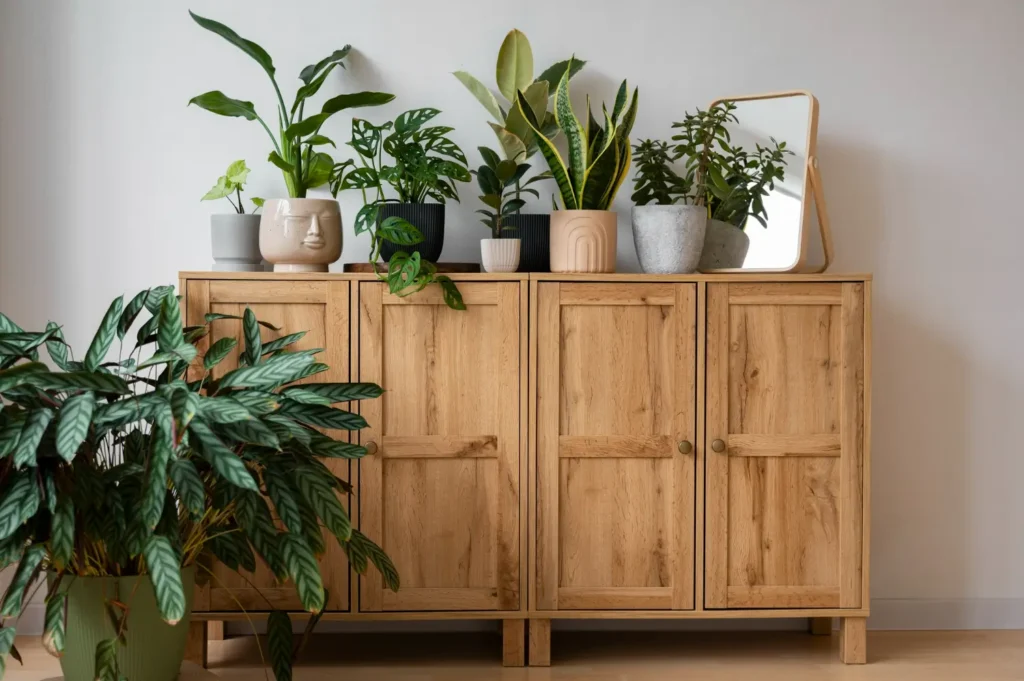
The furniture industry is undergoing a transformation, driven by the growing demand for sustainability. Consumers are becoming increasingly conscious of their purchases and the environmental impact associated with them. As a furniture business, adopting eco-friendly practices not only helps the planet but also positions your brand as a leader in this progressive movement. Here’s how you can create a sustainable furniture business that thrives while prioritizing the planet.
Why Sustainability Matters in the Furniture Industry
The furniture industry has historically had a significant environmental footprint. From deforestation and excessive energy consumption to the use of harmful chemicals and the creation of non-recyclable waste, traditional furniture manufacturing has posed challenges to ecological balance.
However, today’s consumers—especially millennials and Gen Z—are actively seeking brands that align with their values. Sustainability has shifted from being a niche market to a mainstream expectation. Offering eco-friendly furniture isn’t just about ethics; it’s a smart business move that helps attract and retain a loyal customer base.
Steps to Build a Sustainable Furniture Business
1. Use Sustainable Materials
The foundation of eco-friendly furniture lies in the materials you use. Opt for renewable, recyclable, and biodegradable materials that minimize environmental impact.
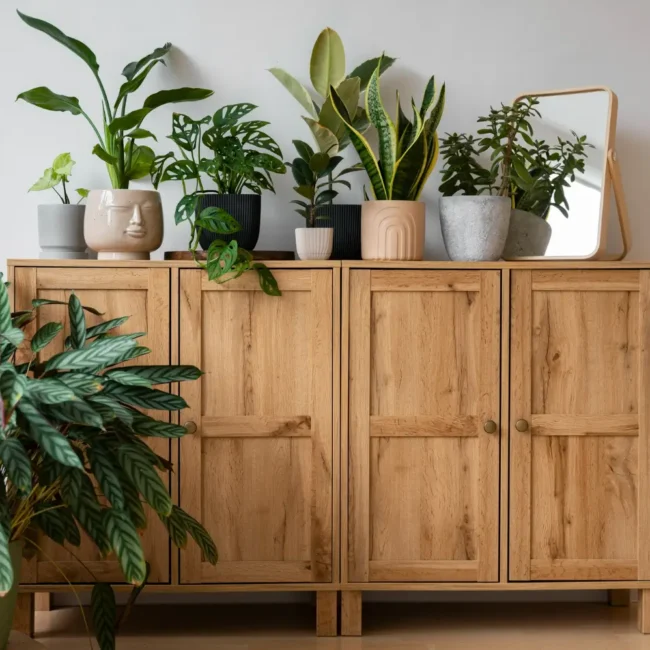
- Certified Wood: Source wood from responsibly managed forests that have FSC (Forest Stewardship Council) certification. Bamboo is also an excellent renewable alternative due to its rapid growth cycle.
- Recycled Materials: Incorporate recycled metals, plastics, and textiles into your designs. Upcycling old furniture or industrial waste into new pieces can create unique, environmentally friendly products.
- Natural Fabrics: Use organic cotton, hemp, linen, or wool for upholstery. These materials are biodegradable and avoid the harmful chemicals used in synthetic fabric production.
2. Adopt Energy-Efficient Manufacturing Processes
Manufacturing furniture sustainably requires reducing the energy consumption and waste generated during production.
- Renewable Energy Sources: Power your manufacturing facilities with solar, wind, or hydropower to reduce reliance on fossil fuels.
- Waste Reduction: Implement a zero-waste policy by reusing offcuts and minimizing scrap. Advanced manufacturing technologies like CNC cutting can optimize material usage.
- Water Conservation: Use closed-loop systems for water-intensive processes like dyeing to reduce water wastage.
3. Design for Longevity and Versatility
Sustainability is also about creating furniture that lasts. Well-crafted, durable pieces reduce the need for frequent replacements, thereby lowering overall consumption.
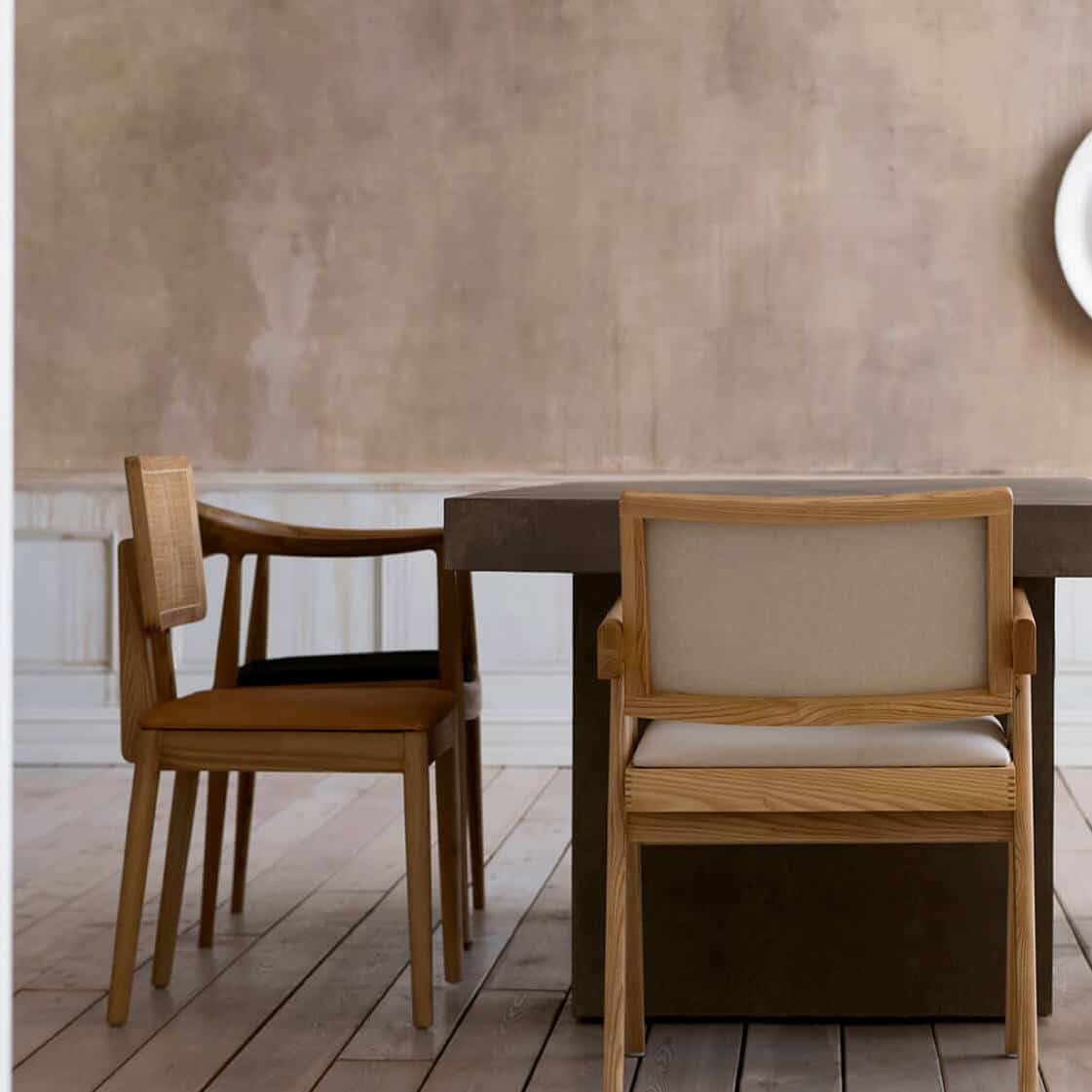
- Timeless Designs: Avoid trends that may go out of style quickly. Instead, focus on timeless aesthetics that remain relevant for years.
- Modular Furniture: Create furniture that can be easily assembled, disassembled, and adapted to changing needs. This increases its functionality and appeal.
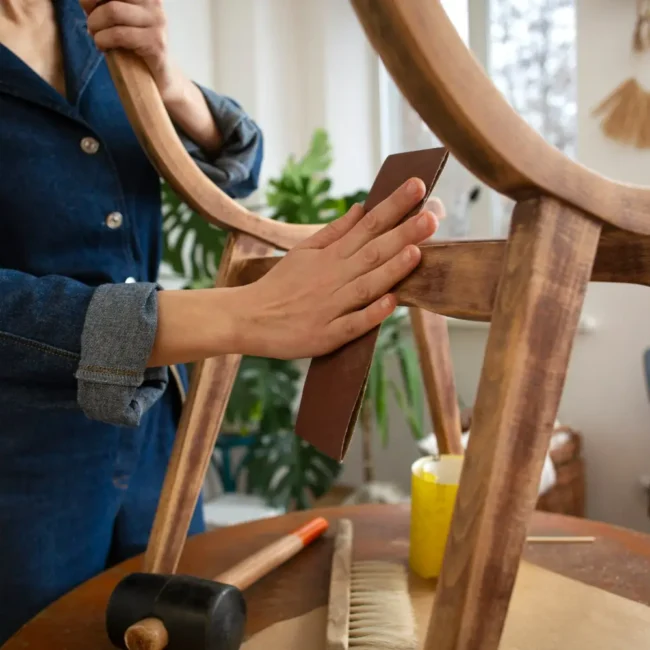
- Repairability: Design pieces with replaceable parts to make repairs easy, extending the furniture’s lifecycle.
4. Minimize Chemical Use
Toxic chemicals, such as VOCs (volatile organic compounds) in paints, adhesives, and finishes, can harm both the environment and human health.
- Non-Toxic Finishes: Use water-based, low-VOC, or plant-based finishes to ensure that your furniture is safe and eco-friendly.
- Natural Adhesives: Replace synthetic adhesives with natural options like starch-based glues.
- Eco-Friendly Foam Alternatives: Instead of traditional polyurethane foam, opt for materials like natural latex or wool padding for cushions and mattresses.
5. Offer Transparency and Certification
Transparency builds trust and credibility. Consumers are more likely to purchase from a brand that is open about its sustainability practices.
- Certifications: Obtain eco-certifications such as FSC, Cradle to Cradle, or GREENGUARD to validate your products’ sustainability.
- Material Sourcing Information: Share details about where and how your materials are sourced. Highlight efforts to support ethical labor practices.
- Carbon Footprint: Provide information about the carbon emissions associated with each product and your efforts to offset them.
6. Educate Your Customers
Many consumers are unaware of the benefits of sustainable furniture. Use your platform to educate them about the importance of eco-friendly products.
- Content Marketing: Create blog posts, videos, and infographics explaining how your furniture is made and why sustainability matters.
- Product Tags: Include information on eco-friendly features, materials, and certifications directly on product labels.
- Workshops and Events: Host events where customers can learn about sustainable living and furniture care to prolong the lifespan of their purchases.
7. Focus on Ethical Packaging and Shipping
Sustainability doesn’t stop at manufacturing—it extends to how your furniture reaches the customer.
- Sustainable Packaging: Use recyclable or biodegradable packaging materials like cardboard, paper, or cornstarch-based plastics.
- Carbon-Neutral Shipping: Partner with logistics providers that offer carbon-neutral shipping options. Alternatively, invest in carbon offset programs to neutralize your delivery emissions.
- Flat-Pack Designs: Create flat-pack furniture that reduces shipping space, lowering fuel consumption and costs.
The Business Benefits of Sustainable Practices
Adopting sustainable practices is not just beneficial for the environment—it also gives your business a competitive edge.
- Customer Loyalty: Eco-conscious consumers are more likely to support brands that align with their values, fostering long-term relationships.
- Brand Differentiation: Sustainability sets your business apart in a crowded market, giving you a unique selling proposition.
- Cost Savings: Energy-efficient practices, reduced waste, and durable designs can lead to significant cost savings over time.
- Access to New Markets: Many governments, institutions, and hospitality businesses now prefer vendors offering sustainable solutions.
Success Stories in Sustainable Furniture
Several furniture companies have successfully embraced sustainability and reaped its benefits:
- IKEA: With its “People & Planet Positive” initiative, IKEA focuses on renewable energy, recycled materials, and designing for circularity.
- Herman Miller: The company’s iconic Aeron Chair uses recycled ocean plastic, setting a benchmark for eco-friendly design.
- Etsy Sellers: Many small businesses on platforms like Etsy create upcycled and handmade furniture, catering to niche eco-conscious audiences.
Challenges and How to Overcome Them
While creating a sustainable furniture business offers numerous advantages, it also comes with challenges:
- Higher Initial Costs: Sustainable materials and practices can be more expensive upfront. Overcome this by emphasizing the long-term cost savings and marketing the value of sustainability.
- Supplier Limitations: Finding reliable suppliers of eco-friendly materials can be tough. Build strong relationships with suppliers and consider sourcing locally.
- Consumer Awareness: Not all customers understand or value sustainability. Use storytelling and transparent practices to educate and convert them.
The Future of Sustainable Furniture
The demand for sustainable furniture is expected to grow exponentially as consumers prioritize health, wellness, and environmental stewardship. By investing in eco-friendly products and practices today, you position your business for long-term success while contributing positively to the planet.
Conclusion
Building a sustainable furniture business with eco-friendly products is both a responsibility and an opportunity. By adopting renewable materials, efficient manufacturing processes, and transparent practices, you not only reduce environmental impact but also align your brand with the values of a rapidly growing base of conscious consumers.
In a world where sustainability is no longer optional, taking the initiative today will help your business thrive tomorrow. Start crafting a greener future—one furniture piece at a time.